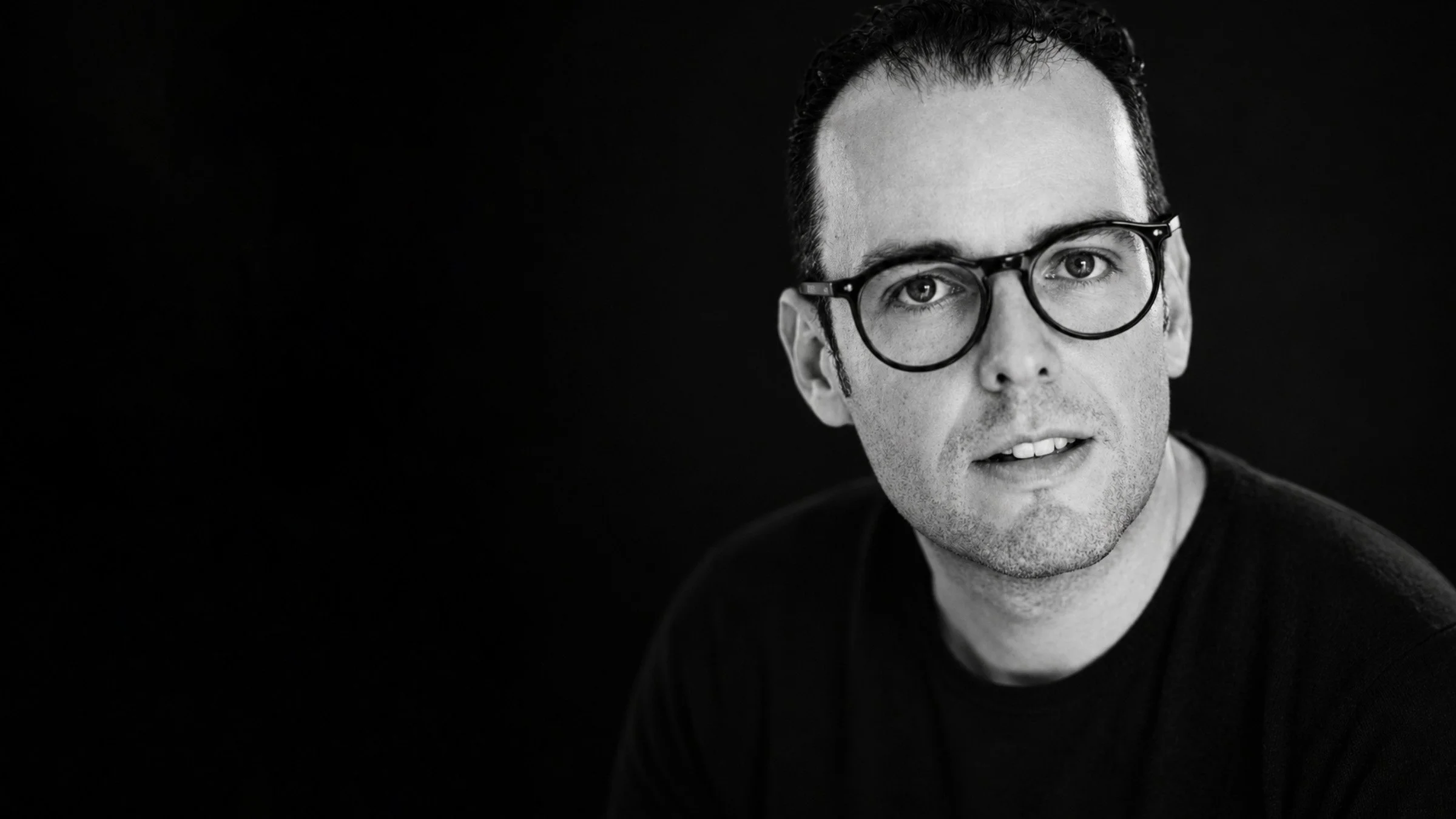
Fer Quirarte
Mexican artist exploring memory,
identity and loss.
Highlights
• Certificate of Excellence
Chelsea International Fine Art Competition
• Guest Artist
Expo JOYA, Latin America's leading jewelry trade fair
• Six-time Selected Artist
AI-AP Latin American Awards
• Published Author
Il Cane che Mangiò la Sua Ombra
(Bibliolibrò, Rome)
• Selected Graphic Design Exhibitions
Mexico, United States, Italy, China and South Korea
• Guest Speaker
InteriHotel Barcelona
• Member
Worldwide Graphic Designers Association
Artist Statement
Some things are carried long before they can be named: a branch cut before its scar has formed; a body suspended between sinking and rising; a small object kept close because a promise remains unresolved.
Rooted in painting and drawing, my practice extends through writing, objects, jewelry, and installation. Across these forms, I investigate the moments when identity is no longer fixed but not yet transformed—the unstable space where loss, faith, memory, desire, and uncertainty become tangible before they can be fully understood.
Rather than representing transformation as a completed event, I am interested in the threshold that precedes it. My work examines how people negotiate what cannot be controlled: the body under pressure, the scar left by absence, the object that carries memory, the ritual that gives shape to uncertainty, and the quiet persistence of continuing without resolution.
Working from a visual culture shaped by Mexican devotional traditions, ornament, contradiction, intimacy, and public life, I draw on symbolic structures that remain active beyond their original contexts. Devotion becomes a way of thinking about attachment rather than religion alone. Ornament becomes a vessel for memory rather than display. Reduction becomes a method of revealing what cannot be said directly.
In Floating Strength, Afro-descendant men suspended in water question a masculinity often defined through certainty, performance, and control. Water loosens inherited expectations, allowing each figure to exist not as a fixed identity but as an emotional condition. In The Art of Pruning, the bonsai’s sacrifice branch is permitted to grow before being removed so the tree may develop elsewhere. The gesture becomes a way of thinking about how loss is not erased but incorporated into the structure that survives.
Across installation and jewelry, I create objects that invite viewers to carry, question, or remain. The dove becomes a figure of fidelity and relational bonds. The city becomes material memory. Mexican devotional practices—in which promises, offerings, and gratitude circulate through objects—become contemporary reflections on hope, vulnerability, exchange, and the human need to negotiate with uncertainty. These works are not about illustrating belief but about making visible the emotional structures that belief leaves behind.
I work through reduction. The gesture remains visible. Material retains its fracture. Space is not emptiness—it is weight.
What cannot be seen continues to shape what remains.